Exploring the Benefits of Insulated Vinyl Siding
Insulated vinyl siding offers a unique solution for homeowners looking to enhance the energy efficiency and aesthetics of their homes. With a range of styles and colors to choose from, this durable material provides a cost-effective and low-maintenance option for siding.
Let's delve into the world of insulated vinyl siding and uncover why it's a popular choice among homeowners.
As we progress, we will explore the installation process, maintenance tips, energy efficiency benefits, and more to give you a comprehensive understanding of this innovative siding material.
Overview of Insulated Vinyl Siding

Insulated vinyl siding is a type of exterior cladding material designed to provide both insulation and protection to a building. It is made of polyvinyl chloride (PVC) but includes a layer of foam insulation on the back side, which helps improve energy efficiency and reduce heat loss compared to regular vinyl siding.
Differences from Regular Vinyl Siding
- Insulation: The key difference is the inclusion of foam insulation, which helps regulate indoor temperatures and reduce energy costs.
- R-Value: Insulated vinyl siding typically has a higher R-value than regular vinyl siding, providing better thermal performance.
- Thickness: Insulated vinyl siding is usually thicker than regular vinyl siding due to the added insulation layer.
Benefits of Insulated Vinyl Siding
- Energy Efficiency: Helps reduce energy consumption by keeping indoor temperatures more stable.
- Noise Reduction: Insulation layer can help dampen outside noises, providing a quieter indoor environment.
- Durability: Protects the exterior of the building from weather elements and impact damage.
Styles and Colors Available
Insulated vinyl siding comes in a variety of styles, including traditional lap siding, cedar shake, and board and batten. It is also available in numerous colors to suit different aesthetic preferences and architectural styles.
Installation Process
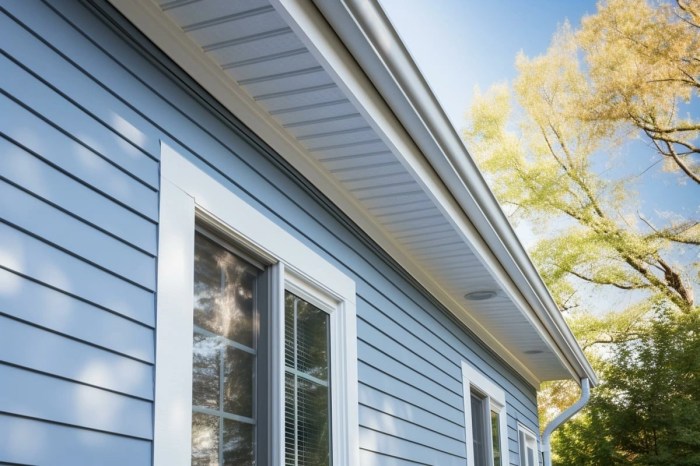
Installing insulated vinyl siding involves a step-by-step process that requires specific tools and materials to ensure proper insulation and weatherproofing. Here is a detailed guide on how to install insulated vinyl siding effectively.
Step-by-Step Installation Process
- Prepare the surface: Clean and inspect the walls to ensure they are free of any debris or damage.
- Measure and cut the siding: Accurately measure the dimensions of the walls and cut the siding panels accordingly.
- Install the starter strip: Begin by installing the starter strip at the bottom of the wall to provide a level base for the siding panels.
- Attach the siding panels: Secure the siding panels to the wall, starting from the bottom and working your way up. Make sure to leave space for expansion and contraction.
- Finish with trim pieces: Complete the installation by adding trim pieces around windows, doors, and corners for a polished look.
Tools and Materials Required
- Vinyl siding panels
- Starter strip
- J-channel
- Trim pieces
- Utility knife
- Tin snips
- Level
- Tape measure
- Hammer
- Nails or screws
Tips for Proper Insulation and Weatherproofing
- Ensure a tight fit: Properly overlap the siding panels to prevent gaps that can compromise insulation.
- Use a house wrap: Install a house wrap beneath the siding to provide an additional layer of protection against moisture and drafts.
- Seal seams and joints: Apply caulk or sealant to seal any gaps between siding panels, trim pieces, and other components.
- Check for proper ventilation: Maintain adequate ventilation behind the siding to prevent moisture buildup and mold growth.
Maintenance and Care
Proper maintenance and care are essential to ensure the longevity and appearance of insulated vinyl siding. By following these guidelines, you can keep your siding looking great for years to come.
Cleaning and Maintenance
Regular cleaning is important to prevent dirt and grime buildup on insulated vinyl siding. Here are some steps to effectively clean and maintain your siding:
- Use a garden hose or pressure washer to rinse the siding and remove loose dirt.
- Mix a solution of water and mild soap, then use a soft brush or cloth to gently scrub the siding.
- Rinse the siding thoroughly with clean water to remove any soap residue.
- Inspect the siding for any signs of damage, such as cracks or holes, and repair them promptly.
Common Issues and Solutions
While insulated vinyl siding is durable, some common issues may still arise. Here are a few problems you may encounter and how to address them:
- Cracking:Inspect the siding for cracks and fill them with caulk to prevent water infiltration.
- Color Fading:Use a vinyl siding cleaner and a soft brush to restore the color of faded siding.
- Warped Panels:Warped panels can be replaced to maintain the uniform look of the siding.
Prolonging Lifespan
To prolong the lifespan of your insulated vinyl siding, consider the following recommendations:
- Regularly clean and inspect the siding to address any issues promptly.
- Avoid using abrasive cleaners or tools that may damage the siding.
- Trim trees and bushes near the siding to prevent scratches or damage from branches.
- Apply a protective coating or sealant to enhance the durability of the siding.
Energy Efficiency

Insulated vinyl siding plays a crucial role in enhancing the energy efficiency of a home by providing an extra layer of insulation to the exterior walls. This added insulation helps in maintaining a consistent indoor temperature, reducing the workload on heating and cooling systems, and ultimately lowering energy consumption.
Energy-saving benefits of Insulated Vinyl Siding
- Increased R-value: Insulated vinyl siding has a higher R-value compared to traditional siding options, which means better thermal resistance and improved energy efficiency.
- Reduced energy bills: By minimizing heat loss during winter and heat gain during summer, insulated vinyl siding helps in cutting down energy costs throughout the year.
- Enhanced comfort: With improved insulation, homeowners can enjoy a more comfortable indoor environment, with fewer drafts and temperature fluctuations.
Certifications and Standards
Insulated vinyl siding products may carry certifications like the ENERGY STAR label, indicating that they meet strict energy efficiency guidelines set by the Environmental Protection Agency (EPA).
Other standards such as the Vinyl Siding Institute (VSI) certification ensure that the siding meets quality and performance standards to contribute to energy savings effectively.
End of Discussion

In conclusion, insulated vinyl siding emerges as a top contender in the realm of home improvement, offering a blend of functionality and style. With its durability, energy-saving properties, and easy maintenance, it's clear why many homeowners opt for this versatile siding option.
Make an informed decision for your home and consider the advantages of insulated vinyl siding for a long-lasting and visually appealing exterior.
Key Questions Answered
How does insulated vinyl siding differ from regular vinyl siding?
Insulated vinyl siding has a layer of foam insulation attached to the back, providing additional energy efficiency and impact resistance compared to regular vinyl siding.
What are some common issues with insulated vinyl siding?
Common issues may include warping in extreme temperatures or improper installation. Regular maintenance and timely repairs can help address these issues.
How can I prolong the lifespan of insulated vinyl siding?
Regularly cleaning the siding, addressing any issues promptly, and ensuring proper insulation during installation can help extend the lifespan of insulated vinyl siding.