Commercial Siding Cost: Factors, Materials, and Savings
As businesses look to enhance their exteriors, understanding commercial siding cost becomes crucial. From the impact of material choices to the influence of building size, this topic delves into the factors shaping pricing. Let's uncover the world of commercial siding costs together.
Factors Affecting Commercial Siding Cost

When it comes to determining the cost of commercial siding, several factors come into play that can significantly impact the overall price. Understanding these factors is crucial for businesses looking to invest in new siding for their commercial properties.
Material Choice Impact
The choice of material for commercial siding can have a substantial impact on the overall cost. Different materials come with varying price points, durability levels, and maintenance requirements. For example, vinyl siding is often more affordable upfront but may require more frequent maintenance compared to options like fiber cement or metal siding.
Businesses need to consider not only the initial cost of the material but also its long-term maintenance and durability to make an informed decision.
Building Size Influence
The size of the building is another crucial factor that influences the cost of commercial siding. Larger buildings naturally require more materials and labor to complete the siding installation, resulting in higher overall costs. Additionally, the complexity of the building's design and structure can also impact the cost, as intricate designs may require more time and expertise to install the siding correctly.
Additional Factors
In addition to material choice and building size, several other factors can contribute to the total cost of commercial siding. The location of the building can play a role, as labor and material costs may vary depending on the region.
Labor expenses, including the skill level of the workers and the time required for installation, can also affect the final cost. Other factors such as the need for additional insulation, trim work, or special finishes can add to the overall expenses.
It's essential for businesses to consider all these factors when budgeting for commercial siding to ensure they get a quality installation that meets their needs and budget constraints.
Types of Commercial Siding Materials

When it comes to commercial siding materials, there are several options available, each with its own set of pros and cons in terms of cost and durability.
Vinyl Siding
Vinyl siding is a popular choice for commercial buildings due to its affordability and low maintenance requirements. It is available in a wide range of colors and styles, making it a versatile option. However, vinyl siding may not be as durable as other materials and can crack or fade over time, potentially leading to higher long-term maintenance costs.
Fiber Cement Siding
Fiber cement siding is known for its durability and resistance to fire, insects, and rot. While it may have a higher upfront cost compared to vinyl siding, fiber cement siding is less prone to damage and can last for many years with minimal maintenance.
This can result in lower long-term maintenance costs, making it a cost-effective choice in the long run.
Metal Siding
Metal siding, such as steel or aluminum, is another durable option for commercial buildings. It offers excellent protection against weather elements and is resistant to fire and pests. While metal siding may have a higher initial cost, it is known for its longevity and low maintenance requirements.
This can make it a cost-effective choice over time, especially in harsh environmental conditions.
Wood Siding
Wood siding provides a classic and natural look to commercial buildings. While wood siding can be more expensive upfront and requires regular maintenance to prevent rot and decay, it offers a unique aesthetic appeal that some businesses may prefer. However, the long-term maintenance costs associated with wood siding can be higher compared to other materials.
Brick Siding
Brick siding is a durable and low-maintenance option for commercial buildings. While brick siding may have a higher initial cost, it is known for its longevity and resistance to fire and pests. The timeless appeal of brick can also add value to a property.
In terms of long-term maintenance costs, brick siding is often considered a cost-effective choice due to its durability.
Cost Comparison of Popular Siding Options

When considering commercial siding options, it is crucial to not only look at the upfront cost but also the overall expenses associated with installation, maintenance, repairs, and replacements. Here, we will compare the cost per square foot of popular commercial siding materials and delve into the installation costs and additional expenses that may impact the overall budget
Vinyl Siding
Vinyl siding is one of the most cost-effective options, with an average cost of $2 to $7 per square foot. Installation costs for vinyl siding typically range from $4 to $7 per square foot. While vinyl siding is low maintenance, it may require periodic cleaning and repairs, adding to the overall expenses over time.
Fiber Cement Siding
Fiber cement siding is a durable option with an average cost of $5 to $12 per square foot. Installation costs for fiber cement siding can range from $6 to $12 per square foot. While fiber cement siding is resistant to insects and rot, it may require repainting every 5-15 years, increasing the long-term costs.
Metal Siding
Metal siding is a versatile option with an average cost of $5 to $15 per square foot. Installation costs for metal siding typically range from $7 to $15 per square foot. While metal siding is durable and low maintenance, it may be prone to dents and scratches, which could require repairs or replacements.
Wood Siding
Wood siding provides a natural look with an average cost of $7 to $15 per square foot. Installation costs for wood siding can range from $8 to $16 per square foot. While wood siding can be prone to rot and pests, regular maintenance like staining or painting can help prolong its lifespan and reduce repair costs.
Brick Siding
Brick siding is a premium option with an average cost of $8 to $20 per square foot. Installation costs for brick siding typically range from $10 to $20 per square foot. While brick siding is durable and low maintenance, any necessary repairs or replacements can be costly due to the specialized labor and materials involved.
Cost-Saving Tips for Commercial Siding Projects

When undertaking a commercial siding project, there are several strategies you can implement to reduce costs without compromising on quality. Whether it's negotiating with contractors or suppliers, exploring DIY options, or considering alternative approaches, here are some tips to help you save money on your commercial siding project.
Negotiating Pricing with Contractors or Suppliers
When it comes to negotiating pricing with contractors or suppliers for your commercial siding project, there are a few key strategies to keep in mind. First, be sure to get multiple quotes from different contractors to compare prices. This will give you a better idea of what the going rate is for the work you need to be done.
Additionally, don't be afraid to negotiate with contractors to see if they can offer you a better deal. Sometimes, simply asking for a discount or being willing to negotiate can result in cost savings.
Exploring DIY Options
Another way to save money on your commercial siding project is by exploring DIY options. While commercial siding can be a complex and labor-intensive project, there are some aspects of the work that you may be able to do yourself.
For example, you could remove the old siding or prepare the site for installation. By taking on some of the work yourself, you can reduce labor costs and potentially save money.
Considering Alternative Approaches
In addition to negotiating pricing and exploring DIY options, it's also worth considering alternative approaches to your commercial siding project that could help you save money. For example, instead of using traditional siding materials like vinyl or wood, you could opt for more cost-effective options like fiber cement or metal siding.
These materials can be more affordable while still providing durability and aesthetic appeal. By thinking outside the box and considering alternative approaches, you may be able to lower the overall expenditure of your commercial siding project.
Ultimate Conclusion
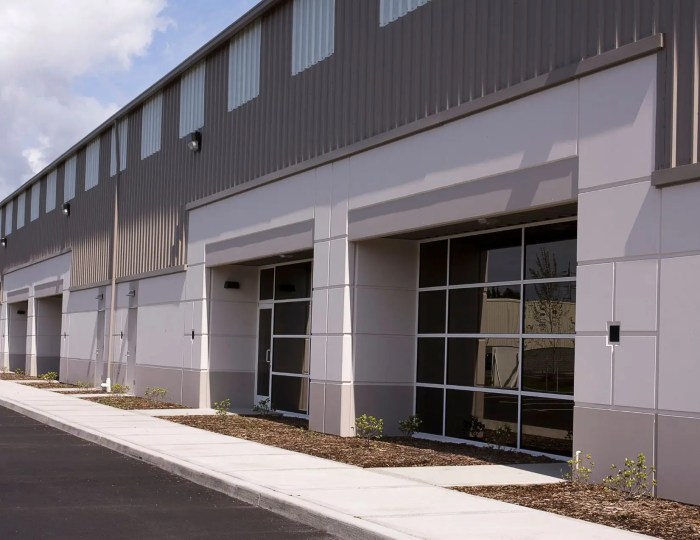
Exploring the intricacies of commercial siding cost has shed light on the key considerations for businesses. From material comparisons to cost-saving tips, this discussion has provided a comprehensive guide to navigating the realm of commercial siding expenses.
General Inquiries
How does material choice impact commercial siding cost?
Material choice significantly influences the overall cost, with some options being more expensive upfront but requiring less maintenance in the long run.
What factors contribute to the total cost of commercial siding?
Aside from material and building size, factors like location, labor expenses, and additional maintenance costs can all impact the total expenses.
Are there DIY options to lower commercial siding project costs?
Exploring DIY options or alternative approaches can help reduce overall expenditure on commercial siding projects while maintaining quality.